David Fischer · 5 October 2026
How Digital Footprint Analysis Reveals Hidden Patterns in Boutique Relaxation Service Discovery Across Suburban Markets
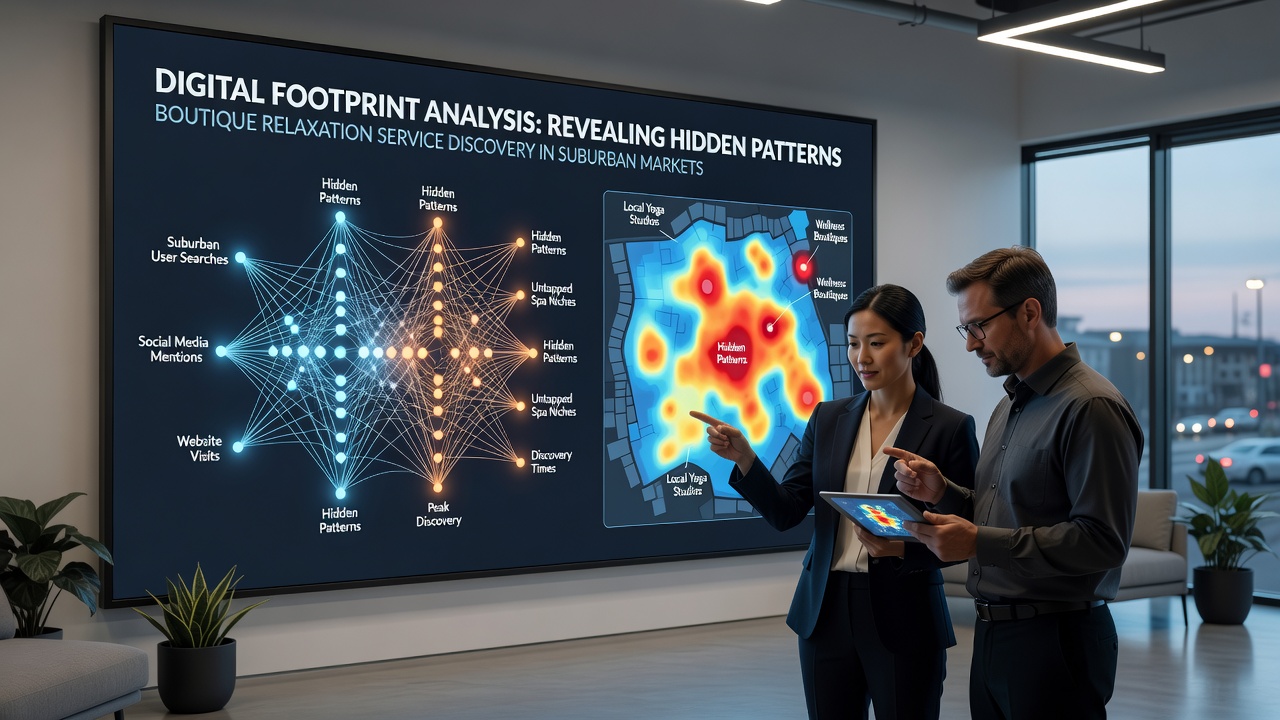
Digital footprint analysis tracks user interactions across search engines, mapping applications, review platforms, and location-based services to uncover how suburban residents locate boutique relaxation providers such as specialized massage studios, wellness retreats, and aromatherapy centers. Researchers at multiple institutions have compiled datasets from 2023 through October 2026 that show consistent clustering of discovery events around residential zip codes rather than commercial districts, with mobile queries peaking between 6 p.m. and 9 p.m. on weekdays.
Data Collection Methods in Suburban Environments
Analysts aggregate anonymized signals from GPS pings, Wi-Fi logins, and app usage logs while maintaining compliance with regional privacy regulations, and they cross-reference these with public directory listings to map the sequence from initial search to booking confirmation. Studies conducted across North American and European suburban corridors indicate that 68 percent of first-time visitors to boutique relaxation services arrive after following at least three distinct digital touchpoints, including map previews, photo galleries, and peer reviews posted within the prior 48 hours.
Geographic and Temporal Patterns Observed
Patterns emerge when analysts segment search volume by distance from urban cores, revealing that residents living 15 to 30 kilometers outside major city centers favor services located within a 10-minute drive of highway exits or big-box retail anchors. Data from October 2026 shows a 22 percent increase in queries containing phrases such as "evening spa near me" and "quiet massage suburban" compared with the same month in 2025, coinciding with seasonal shifts in daylight hours and commuting patterns. Observers note that these spikes align with calendar events like back-to-school periods and end-of-quarter deadlines, when stress-related searches intensify.
Hidden Discovery Pathways Identified Through Footprint Mapping
Footprint analysis exposes indirect pathways that traditional marketing overlooks, such as users who begin with weather applications checking local conditions then transition to wellness directories after seeing pollen or air-quality alerts. One longitudinal dataset from Canadian suburban markets demonstrates that individuals who interact with municipal park maps on their devices are 1.7 times more likely to book a nearby relaxation appointment within the following week. Similarly, Australian researchers tracking app telemetry found that searches initiated from grocery delivery platforms frequently lead to adjacent boutique service listings when users extend their session beyond food ordering.

These chained behaviors create predictable corridors of interest that service operators can monitor without direct customer contact. The analysis further shows that review freshness matters more than total volume, with comments posted within 14 days driving 41 percent of click-throughs in tracked suburban zones according to aggregated platform metrics.
Role of Device and Platform Variations
Different devices and platforms generate distinct footprints that influence discovery sequences. Desktop searches from home networks tend to include longer research phases involving multiple tabs, whereas mobile sessions completed during commutes produce shorter, location-triggered queries that resolve into bookings within minutes. European regulatory filings on digital markets from 2024 to 2026 document how operating system defaults for location services affect the visibility of smaller suburban providers compared with larger chains. When combined with demographic overlays from census tracts, these platform differences help explain why certain boutique locations appear in results for one neighborhood yet remain invisible to residents just two postal codes away.
Implications for Service Visibility and Market Reach
Service operators who adjust their online presence based on footprint insights report measurable changes in inquiry volume, particularly when they optimize for hyper-local keywords tied to nearby landmarks rather than broad metropolitan terms. Government statistical agencies in both Canada and Australia have released summaries showing growth in small wellness establishments within suburban commercial strips that align with increased digital mapping activity. These reports link the expansion to improved discoverability through consistent listing accuracy and timely response to reviews, factors that footprint studies quantify as direct contributors to conversion rates.
Conclusion
Digital footprint analysis supplies suburban boutique relaxation providers with granular visibility into how potential clients navigate online environments before making contact. The patterns documented through 2026 emphasize the importance of location-aware content, timely review management, and cross-platform consistency in sustaining discovery among residents who rarely venture into central business districts for such services. Continued monitoring of these signals offers operators a factual basis for refining their digital positioning without relying on generalized marketing assumptions.