Blake Vogel · 7 September 2026
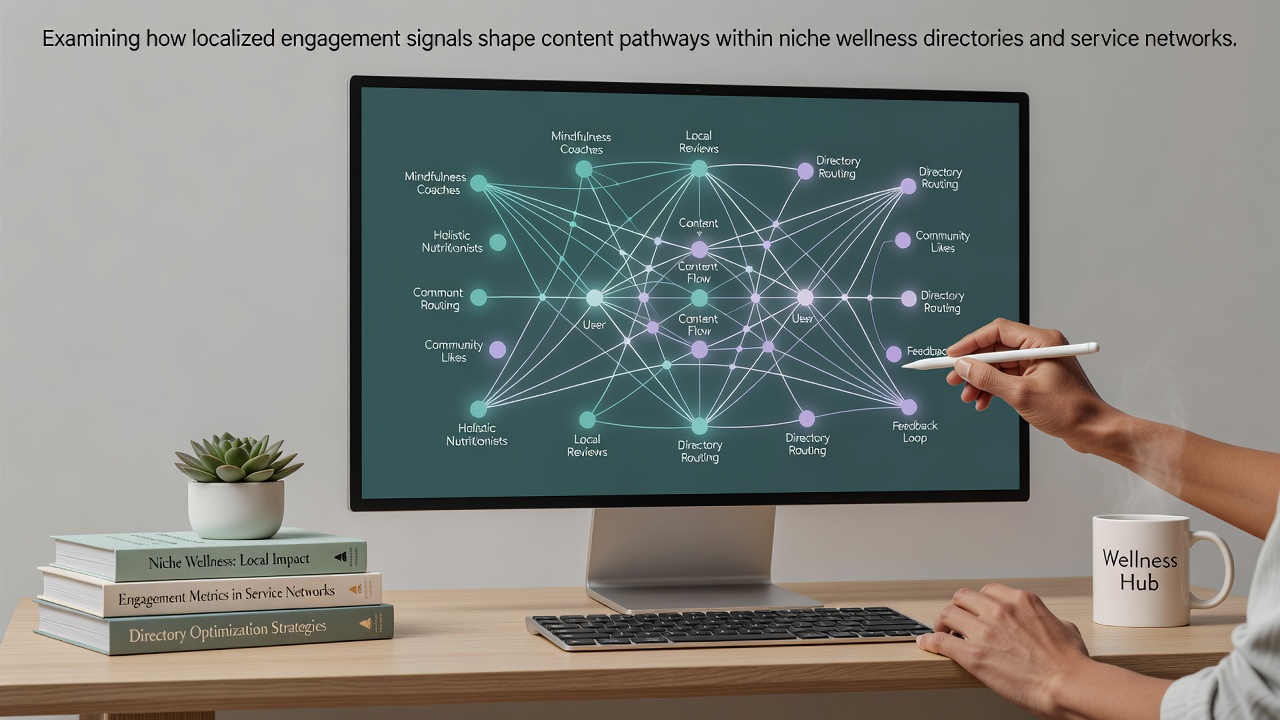
Examining how localized engagement signals shape content pathways within niche wellness directories and service networks
Localized engagement signals consist of user actions such as clicks, dwell time, shares, and search refinements that occur within defined geographic zones, and these data points influence how content surfaces and travels through specialized wellness directories along with interconnected service networks. Researchers track these signals because they provide granular indicators of regional interest that broader algorithms then use to adjust visibility for listings, articles, and provider profiles. Data from multiple health information platforms shows that directories prioritizing these signals experience higher retention rates among local users who seek yoga studios, nutrition counseling, or mindfulness workshops in their immediate area.
Core Components of Localized Signals in Wellness Contexts
Engagement metrics collected at the neighborhood or city level include map-based searches, time spent on service descriptions, and repeat visits to specific provider pages, while these elements feed directly into ranking models that determine content order. Observers note that directories incorporating zip-code level analytics tend to surface hyper-relevant results faster than those relying solely on national trends. In September 2026 several platforms updated their systems to weight regional interaction velocity more heavily, resulting in quicker adjustments to content pathways when a particular wellness trend gains traction in one metropolitan area but not another. Academic studies published through Canadian research institutions confirm that such adjustments improve match rates between users and local practitioners by measurable margins.
Pathway Formation Within Niche Directories
Content pathways emerge when initial local signals trigger algorithmic amplification that then pushes material into adjacent categories or neighboring regions, and this process creates dynamic routes through which wellness information travels. For instance, high engagement with acupuncture listings in a coastal city can elevate related herbal therapy content for users searching in nearby inland towns. Those who analyze directory logs report that these pathways often follow commuting patterns and demographic clusters rather than strict geographic boundaries. One analysis of directory traffic patterns revealed that localized signals account for a substantial portion of internal link equity distribution, allowing smaller providers to gain visibility without large-scale advertising budgets.
Influence on Service Networks and Cross-Referrals
Service networks that connect multiple wellness providers rely on engagement data to facilitate referrals, and localized signals help these networks identify which partnerships yield the strongest user follow-through. When users in a specific district consistently interact with both massage therapy and nutrition coaching entries, the network algorithms strengthen connections between those categories. Figures from European health technology reports indicate that networks using regional engagement filters achieve improved conversion from directory views to actual bookings. This mechanism operates because the signals reveal genuine interest clusters that static category tags alone cannot capture.
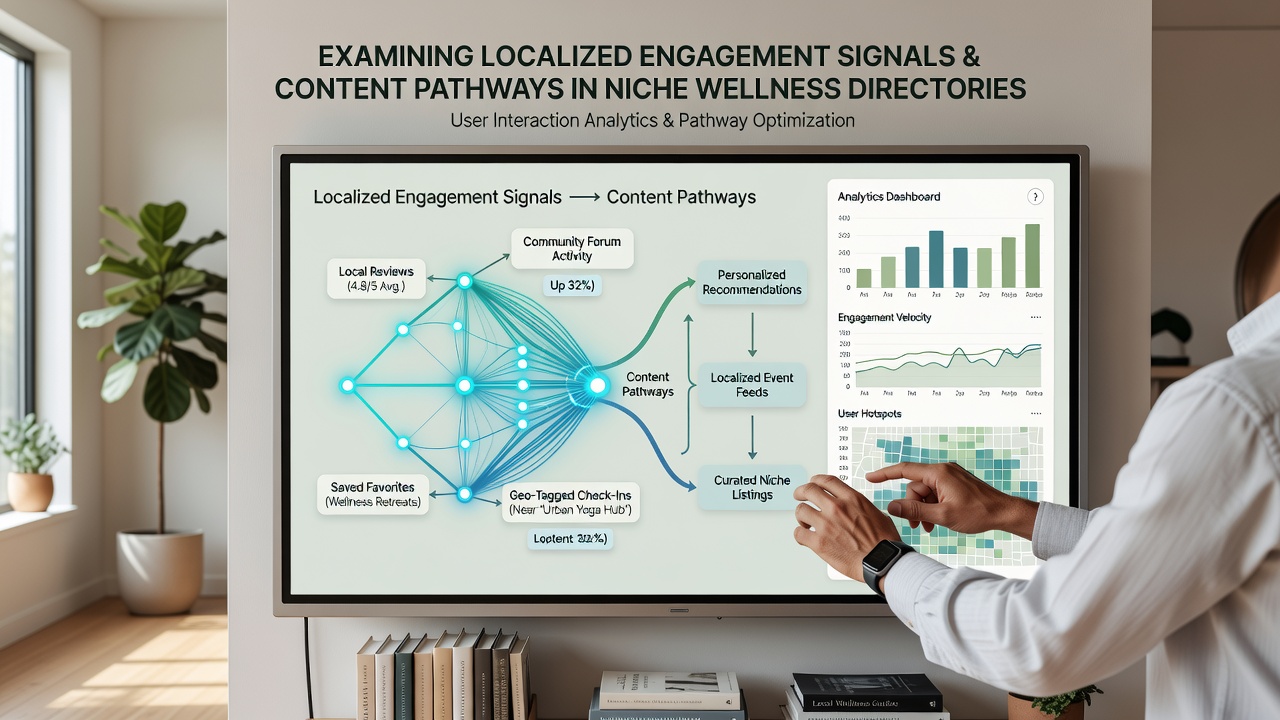
Network operators have adjusted their internal recommendation engines to account for seasonal shifts in local engagement, such as increased winter interest in indoor fitness programs within northern climates. Data indicates that these refinements reduce bounce rates and extend session duration across linked sites. What's interesting is how signals originating from community forums or local event listings sometimes override broader keyword trends, creating unexpected content routes that benefit emerging practitioners.
Measurement Approaches and Data Integration
Platforms integrate localized signals through a combination of first-party analytics, aggregated location data, and third-party mapping tools, while maintaining compliance with privacy regulations across jurisdictions. Research from Australian health data agencies demonstrates that combining postal-code engagement with time-of-day patterns yields more accurate predictions of which content will resonate next. Directory administrators apply these insights to curate featured sections that rotate based on real-time regional activity rather than fixed schedules. Observers note that this approach keeps content fresh and aligned with evolving community needs without requiring constant manual intervention.
Conclusion
Localized engagement signals continue to refine how content moves through niche wellness directories and the service networks that support them, with ongoing platform updates in 2026 further emphasizing regional data granularity. Evidence from government health statistics agencies and academic sources shows measurable effects on visibility, referral efficiency, and user retention when these signals receive appropriate weighting. Those managing wellness information ecosystems benefit from monitoring these patterns to maintain relevant pathways that connect users with appropriate local resources.